How to Sell Stock Photography and Earn Passive Income
Here’s how to sell stock photography in short: choose two or three stock agencies, prepare your images to their individual technical standards, and keyword them the way buyers actually search. Sort your releases, then submit consistently every week/month. Do that and your existing photos start earning money on their own, without a single client booking.
That’s the short version.
The reality has a bit more structure to it than “upload and wait”, and that’s exactly why photographers give up. Photographers who upload a batch of images and check back six months later usually end up disappointed. Photographers who treat it like a proper business channel see it pay off.
At Photography Biz Success, I hear this question from photographers all the time. Whether you shoot landscapes in the Highlands of Scotland, travel photography across Europe, or work closer to home, your existing images can become a genuine income stream. Here’s exactly how to do it, step-by-step.
| This article covers everything photographers need to know about selling stock photography: |
| ‣ Choosing the right platforms |
| ‣ Getting your images ready to pass agency review |
| ‣ Keywording and metadata that get you found by buyers |
| ‣ Model releases, property releases, and licensing |
| ‣ Your 30-day plan to get started |
| ‣ Why Etsy prints are a natural next step. |
How to Sell Stock Photography: Choosing the Right Platforms
Want to turn your photography into income – without starting from scratch?
Want to build a photography business that works around you, selling prints on Etsy and shooting for stock libraries?
🤍 Practical advice tips for selling your photography online.
💙 Straight-talking advice from someone who’s been there.
Sign up below and start making progress today. 👇🏻
Before you upload a single image, you need to understand two different models in the stock photography world: microstock and macrostock.
Microstock platforms like Shutterstock and Adobe Stock sell high volumes of images at lower prices, mostly through subscriptions. Macrostock and rights-managed platforms like Alamy charge buyers more per licence and pay you a bigger share per sale, but you’ll make fewer sales overall.
The commission numbers matter here, and they’ve shifted recently, so it’s worth knowing the current picture rather than what you might have read a few years ago. Alamy now pays a core rate of 40% for most non-exclusive contributors, known as their Gold tier. If your sales drop below $250 a year, you move down to Silver at 20%. Their 50% rate is reserved for exclusive contributors hitting $250,000 or more in annual sales, so it’s not the standard rate most beginners see.
Adobe Stock pays a flat 33% of photo sales. Shutterstock pays between 15% and 40%, based on how many downloads your portfolio gets within the current calendar year, and most beginners start at the lower end. Alamy is UK-headquartered too, which makes it a strong point if you shoot editorial or landscape work.
For most UK photographers starting out, I would suggest sticking to two platforms: Adobe Stock and Alamy. Adobe Stock connects to Creative Cloud, so your images reach a large pool of commercial buyers straight away. Alamy suits editorial and landscape-heavy portfolios well. Spreading yourself across five platforms on day one creates overwhelm and splits your focus without adding much to your income. Learning how to sell stock photography properly starts with choosing where to focus, not how many places to upload.
Getting Your Images Ready to Pass Agency Review
Most beginner rejections come down to technical issues, not creative ones. Your images need to meet baseline requirements before an editorial team even looks at the subject matter.
Both Shutterstock and Adobe Stock ask for a minimum of 4 megapixels, JPEG format, and sRGB colour space. Shutterstock converts approved images to JPEG anyway, so submitting in that format from the start saves you a step. Requirements do change from time to time, so check each platform’s current contributor guidelines before your first batch goes in.
On the creative side, certain subjects sell consistently: business and technology concepts, abstract backgrounds and textures, authentic lifestyle shots, travel and outdoor photography, and food. These all share one thing in common. Buyers need images they can drop straight into a website, presentation, or social post with minimal editing.
A clean composition with negative space and a clear subject will usually outperform a more artistic shot that’s hard to use in a layout. That doesn’t mean lowering your quality. It means thinking about how a designer might actually use your images before you submit them.
-
Tax on Etsy Sales UK: Do you need to pay? (Guide)
Tax on Etsy Sales UK: Do you need to pay? (UK Guide) If you’re selling on Etsy and money is actually landing in your bank account, you’ve probably asked yourself the question every UK Etsy seller eventually asks: “Is there tax on Etsy sales in the UK? Do I owe HMRC anything?” The honest answer…

Keywording and Metadata: How Buyers Actually Find Your Photos
This is where most contributors lose sales without realising it. Keywording isn’t a creative exercise; it’s a commercial one.
Write titles the way a buyer would search, not the way you’d describe the moment you took the photo. “Scottish Highlands misty morning aerial view with copy space” will always outperform “Morning Light over the Glens”. Buyers search for what they need, not what inspired you to press the shutter.
Pair high-frequency commercial terms with your specific subject for the strongest results. Words like background, textures, technology, business, modern, digital, abstract, and design show up again and again in buyer searches. Combine those with your subject, and you get keyword strings buyers actually type, like “landscape nature background with copy space” or “misty mountain aerial view travel.” Add use-case terms too. Banner, presentation, website, social media, and landing page all describe how a buyer plans to use the images. Seasonal keywords are worth adding as well, because buyer demand follows the calendar closely.
Build one keyword routine and stick to it. Keyword each image straight after editing, following the same order every time: subject, style, mood, use case, and location where it applies. Metadata embedded through Lightroom or Capture One will carry across to some platforms automatically, so you’re not retyping the same information over and over. Avoid stuffing keywords in. It flags your account for review and doesn’t help buyers find you anyway.
If you’re keywording large batches, embed metadata at the point of export in Lightroom. Set up a preset with your standard commercial terms, then adjust it for each image. Capture One users can apply keyword lists and batch export with the data already attached. Aim to spend two to three minutes per image on metadata. That’s enough to be thorough without turning the process into a bottleneck.
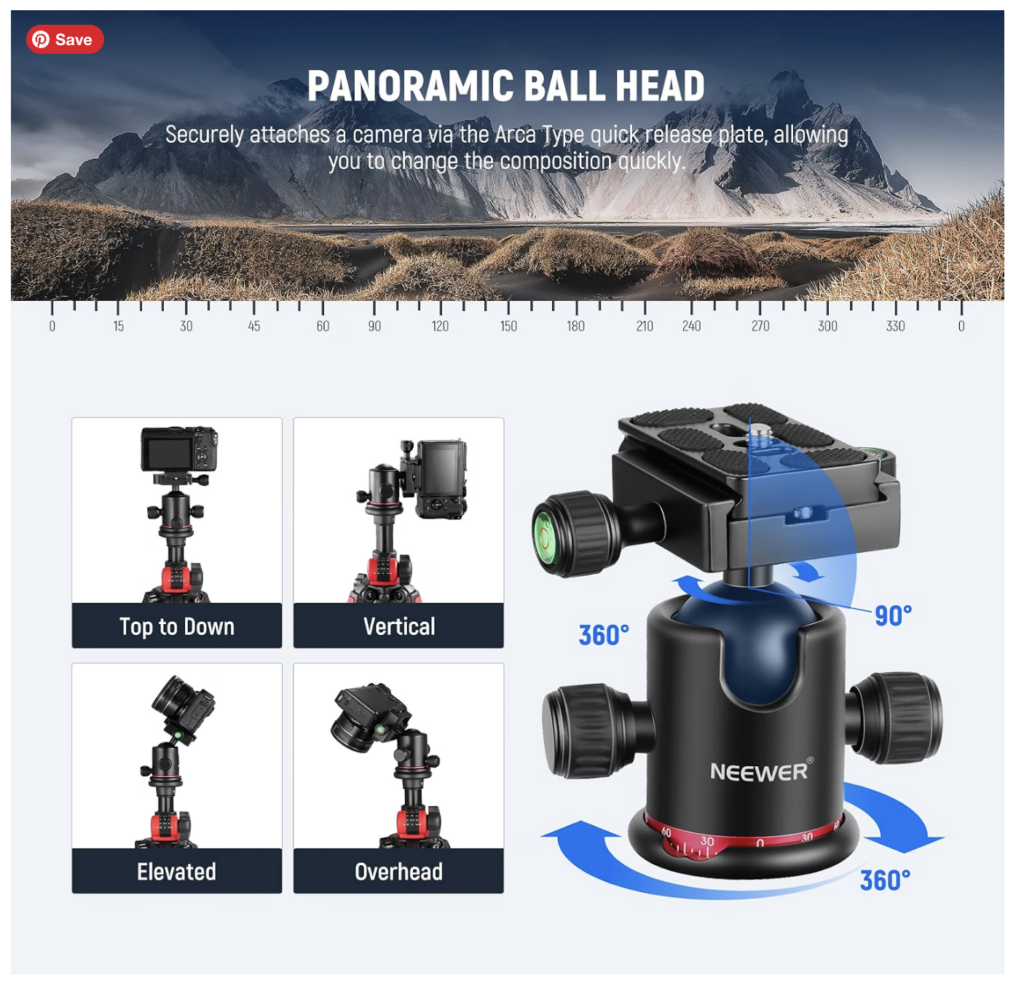
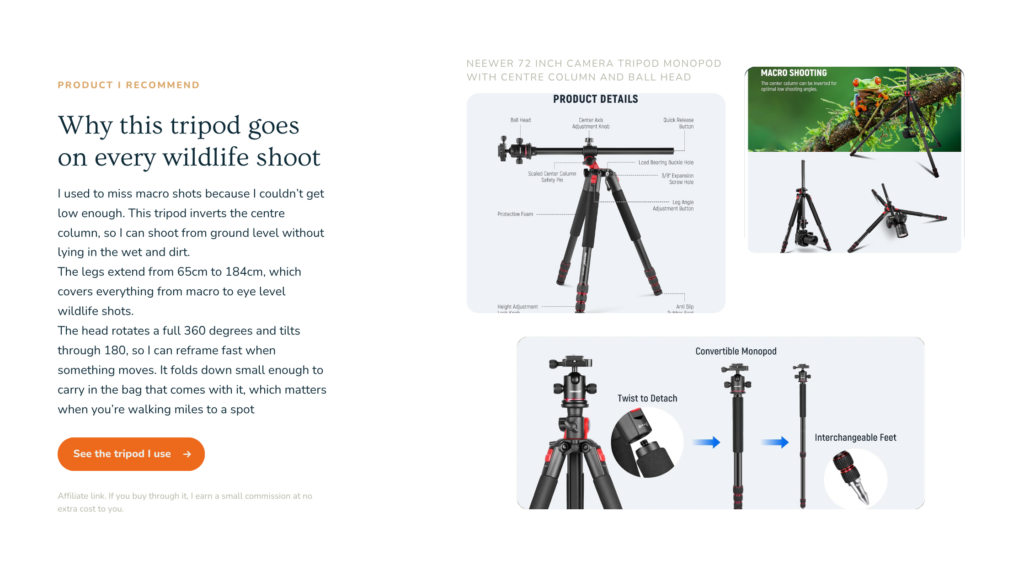
⬆The tripod I reach for on every wildlife, macro & landscape shoot
Model Releases, Property Releases and Licensing Explained.
The rules here are more straightforward than they sound. Any identifiable person in an image you’re submitting for commercial licensing needs a signed model release. Any privately owned property that features prominently often needs a property release too.
Editorial images have more flexibility. Most agencies still want to know how an image is cleared so they can label it correctly for buyers. Editorial images can show recognisable people without a release, but you can’t use them in advertising.
There’s no statutory requirement for a model release in the UK, but stock agencies ask for one as contractual protection. A solid release includes the model’s full legal name, the shoot date and location, and an explicit grant of commercial rights. Add your own name and signature, plus a parent or guardian signature for anyone under 18. Keep signed copies on file, because agencies request that each image has one attached when you submit it for review.
Royalty-free licensing means the buyer pays once and reuses the image within the licence term indefinitely. Rights-managed licensing ties the fee to a specific use, size, duration and territory, and it commands a higher price. Most beginners start with royalty-free because submission is simpler. Rights-managed licensing through Alamy can pay considerably more per sale, though it needs more detailed metadata and tends to attract editorial and premium, commercial buyers.
What You Can Realistically Earn Selling Stock Photos.
Here’s the honest answer. Most beginners on microstock earn somewhere between $4 and $35 a month in the early stages, and that’s completely normal.
Reaching £100 a month consistently on microstock usually needs 300 to 1,000 downloads a month, which takes a substantial, well-keyworded portfolio. On macrostock, individual sales can range from £25 to $100 or more, but they happen far less often. Photographers who earn well from stock treat it as a long-term business rather than a quick experiment.
Based on benchmarks contributors report, portfolios of 100 to 500 images typically generate $30 to $200 a month. Portfolios of 500 to 2,000 images move toward $100 -$500 a month. These figures are based on you submitting a good standard of work with well-keyworded images that get accepted on a regular basis.
Your first 6-12 months are usually the slowest, while your portfolio builds and platforms index your work. The compounding effect comes later, once a larger catalogue of well-tagged images starts earning across several platforms at the same time. Understanding how to sell stock photography as an ongoing system, rather than a one-off upload, is what makes the difference to your long-term results.
Your 30-Day Plan to Start Selling Stock Photography
Use this sequence if you’re starting from scratch. It’s built to get your first submission-ready portfolio live within a month.
- Research and sign up for two platforms. Adobe Stock and Alamy are the strongest combination for UK photographers.
- Review each platform’s current technical submission requirements before you upload anything.
- Select your best 20-30 images and confirm they meet the minimum 4MP resolution and sRGB colour space requirements.
- Prepare model or property releases for any images that need them, and file the signed copies.
- Write commercial titles, descriptions, and keywords for every image before uploading, using the buyer-intent approach covered above.
- Submit your first batch and watch your approvals and rejections closely. Rejections tell you exactly what to fix next time.
Treat this as a monthly habit rather than a one-off task. A rolling submission routine builds your portfolio steadily, and that consistency is what makes stock income compound. Set a recurring reminder, commit to a minimum number of new submissions each month, and the results will follow.
Why Etsy Fine Art Prints Are a Natural Next Step
Stock photography and Etsy print sales attract completely different buyers. Stock buyers are designers, marketers, and publishers who need images for commercial projects. Etsy buyers want something beautiful for their wall. These two income streams don’t compete with each other. They pull from the same photography in entirely different directions, which is exactly why building both makes sense, and why I’m building both in my business.
Many UK photographers with a solid portfolio find their landscape and travel images translate well into fine art prints. Etsy has strong demand for photography wall art among British buyers. This translates to all countries. With print-on-demand services like Prodigi and Printful, you can run a print shop without holding stock or handling shipping yourself.
I would always advise ordering some of your prints with whatever POD company you choose so you can be sure of the quality of the print.
The margin per sale is much higher than a microstock download, and the connection with buyers feels more personal too. Setting up an Etsy print shop takes more thought than uploading to a stock agency, and that’s exactly where the right guidance helps.
Frequently Asked Questions
Sign up with two platforms. Adobe Stock and Alamy work well for photographers starting on this journey, so check their current technical requirements first. Select your strongest 20-30 images, keyword them properly, and submit your first batch; then repeat. Alamy ask for just 3 of your best images for inital approval.
It depends on the images and how they’re licensed. Alamy’s Platinum tier pays 50%, but that only applies to exclusive contributors with $25,000 or more in annual sales. For most beginners, Adobe Stock’s flat 33% is simple and consistent, while Alamy’s rights-managed sales can pay more per image once your portfolio is established.
Yes, if an identifiable person appears in an image submitted for commercial licensing. Editorial images have more flexibility and can show recognisable people without a release, but you can’t use those images in advertising.
Most beginners earn between $4 and $35 a month in the first year. A well-keyworded portfolio of 500-2,000 images can move toward $100 to $500 over time. It builds slowly and compounds as your portfolio grows.
Yes, and it’s a smart combination. Stock buyers are designers and marketers licensing images for projects, while Etsy buyers want wall art for their homes. The same landscape or travel image can serve both markets at once.
It is, provided your treat is an ongoing system rather than a one-off upload. Consistent monthly submissions, proper keywording, and a portfolio that grows over time are what separate photographers earning a real income from those who gave up after one quiet month.
Ready to Start Selling Stock Photography?
If you want to know how to sell stock photography and build income that grows over time, treat it as a system rather than a one-off task. Get your platform choice, image preparation, metadata and releases right from the very first submissions, and you’ll avoid the delays that hold most contributors back for months.
Your earnings will build slowly and compound as your portfolio grows, so be patient! That’s not a flaw; it’s how the model works. Photographers who build meaningful stock income are the ones who treat each upload month as a regular part of running their business.
Start with the 30-day plan. Submit your first batch, learn from the feedback, and repeat it next month. When you’re ready to add fine art print sales at a higher margin alongside your stock income, that’s exactly what I help photographers do inside Photography Biz Success. From free guides through to full shop audits and one-to-one mentoring, there’s a clear next step waiting for you.
If you’ve found this blog helpful, why not check out ‘What are the stock photography requirements for Shutterstock’, or check out my ‘Start-to-Scale Stock Photography System.’
Nicky x

Nicky is a UK-based photographer and business mentor with over 25 years behind the lens. Known for her straightforward approach to helping photographers turn their passion into profit, she is the founder of Photography Biz Success, with a strong focus on selling photography art and prints on Etsy and shooting for stock libraries.
Nicky’s work helps photographers build multiple income streams from their images, so their work stops sitting on a hard drive and starts generating income.

